Your Artist.com Is a Trampoline
In 2026, the most basic fact about the internet is still the one most often missed: the durable online assets an artist controls independently of a platform are the domain and the first-party audience data attached to it.
You do not own your YouTube channel. You do not own the Instagram account, the TikTok following, or the Facebook page. Terms change, reach gets throttled, a policy shifts, an account gets locked on a Friday night with no phone number to call. Use the social channels — that is where the audience spends its time, and refusing to show up there would be silly. But be clear about what they are. They are rented distribution. Every follower you gain there is a follower on loan.
The domain and the first-party list are different. They sit under the artist's control, and together they are where a direct relationship with an audience can actually live.
Which makes what most artists do with them so strange.
The trampoline
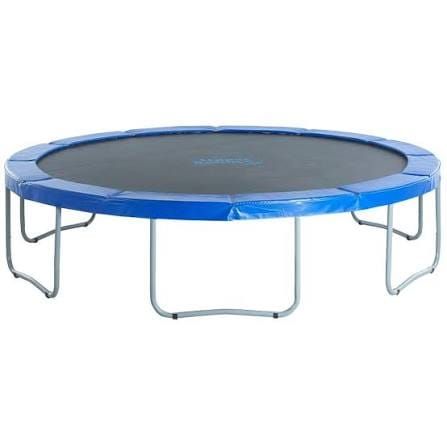
Most official artist sites are built as trampolines. A fan arrives and bounces straight off. Tour dates bounce to Ticketmaster or AXS or the venue's system. Videos bounce to YouTube. Music bounces to Spotify. Merchandise bounces to a store on a subdomain that, on inspection, is not the artist's either.
The site's entire function is to redirect. Its measurable purpose is to send people somewhere else.
Read that back as an operating decision. The one asset the artist owns has been configured to add a click between the audience and the thing they came for. That is the opposite of a service. It is what makes the internet worse rather than better.
And the audience learns. If everything on the site is available one step earlier somewhere else, there is no reason to go, and after a while nobody does. The traffic collapse is not a marketing failure. It is the correct response to what the site is telling people. You said the site was a waypoint, and the audience believed you.
A site built that way also quietly endorses the arrangements most artists say they resent. Every default handoff to a ticketing platform, every redirect to a streaming service, is a small vote for the model. If that is genuinely the intent, point the domain at the Facebook page and stop paying for hosting. It is cheaper and equally pointless.
Not all audience is the same audience
Here is the distinction that gets lost in the follower-count conversation.
A follower is a rumour. It tells you someone once tapped a button, possibly years ago, possibly in a moment they don't remember. It is not contactable on your terms and it is not countable in any way that survives a platform update.
An email address is a maybe. It is contactable, which puts it a long way ahead of a follower, but it is unproven. Plenty of lists are mostly people who wanted a download code in 2014.
A purchaser with transaction history is a business. You know what they bought, when, at what price, how often, from which city, and whether they came back. You can plan a tour routing against it. You can size a vinyl pressing against it. You can tell a promoter something true about a market instead of something hopeful.
That third category only exists if the artist is selling directly. It cannot be rented, it cannot be bought back later, and it does not appear on a platform dashboard. It is the actual asset, and it is built one transaction at a time over years.
First and best access
The alternative is not complicated, but it is a discipline rather than a project.
The principle is that the artist's site offers first and best access to everything. The presale opens there before it opens anywhere. The variant exists there and nowhere else. The VIP package is sold there. The announcement lands in the inbox before it lands in the feed. The archive, the tour history, the things a long-term fan actually wants — those live there because nowhere else has any reason to host them.
Do that consistently and the audience learns the opposite lesson from the trampoline. They learn that the site is where things happen first. That habit is worth more than any single campaign, and it takes years to build, which is exactly why it holds value once you have it.
None of this requires a fanbase in the millions. Some of the healthiest direct businesses I have worked on belong to artists who would not chart a single anywhere. What it requires is deciding that the direct relationship is worth operating — and then actually operating it, on a schedule, with someone accountable for it.
The artists who made that decision fifteen years ago are not worrying about reach today. That is the whole argument.
Mass of Niches is about the structural economics and operating detail of the direct-to-fan business for established touring artists